Introduction
The intersection of technology and luxury has ushered in a new era of smart jewelry, blending the opulence of fine gems and metals with the innovation of connectivity and digital intelligence. This transformative trend is redefining the landscape of wearable technology, moving beyond fitness trackers and smartwatches to embrace the timeless allure of jewelry. As the demand for wearable technology evolves, so does the desire for devices that are not only functional but also aesthetically pleasing and personal. Smart jewelry offers an intriguing solution, providing the elegance of traditional accessories with the added benefits of modern tech functionalities.
This comprehensive exploration delves into the rise of smart jewelry, examining its impact on both the fashion industry and the tech world. By integrating connectivity features into beautifully designed pieces, smart jewelry is setting a new standard for wearable technology, prioritizing both style and substance. From fitness tracking capabilities to notification alerts and personalized experiences, these pieces are designed to enhance everyday life without sacrificing personal style. Through the lens of specific examples, industry statistics, and expert insights, we'll uncover the multifaceted appeal of smart jewelry and its potential to shape the future of wearables.
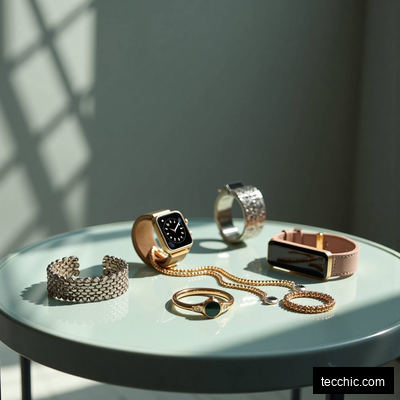
As we delve deeper into the realm of technology-infused luxury, the concept of smart jewelry continues to captivate the modern consumer. Beyond mere adornment, these sophisticated pieces seamlessly merge fashion with functionality, offering features such as fitness tracking, notification alerts, and even personalized digital experiences. Imagine a sleek bracelet that not only complements your outfit but also discreetly monitors your heart rate during a workout, or a dazzling ring that illuminates with incoming calls. This fusion of elegance and innovation exemplifies the exciting evolution within the luxury tech landscape.
The Evolution of Smart Jewelry
Smart jewelry's ascent can be traced back to the early attempts at wearable technology, which often prioritized function over form. Initial iterations were bulky and lacked aesthetic appeal, making them a hard sell for the fashion-conscious consumer. However, as technology advanced, so did the possibilities for integrating smarter features into more discreet and attractive designs. Companies began to recognize the untapped potential of jewelry that could offer more than just adornment, leading to innovative products that seamlessly blend technology with traditional craftsmanship.
One of the earliest examples of this fusion is the Ringly smart ring, which launched in 2014. Designed to notify users of calls, messages, and app alerts, it marked a significant step forward in wearable tech, offering connectivity without compromising on style. Following in its footsteps, brands like Misfit, Bellabeat, and even luxury names like Tag Heuer and Swarovski have introduced their versions of smart jewelry, each bringing unique features and designs to the table. These pieces range from fitness tracking necklaces and bracelets to rings that can control smart home devices, illustrating the diverse applications of this technology.
The evolution of smart jewelry is also characterized by its use of advanced materials and technology. Innovative companies are experimenting with conductive fabrics, flexible displays, and miniature sensors to create pieces that are not only functional but also comfortable and stylish. With the advent of 3D printing and new metal alloys, designers have even more freedom to explore creative forms without being constrained by the technical limitations of traditional manufacturing processes.
One fascinating aspect of the evolution of smart jewelry is how it seamlessly combines fashion and technology to enhance our daily lives. From early bulky prototypes to sleek, stylish designs today, smart jewelry has come a long way in terms of aesthetics and functionality. For instance, modern smart rings not only track fitness metrics but also allow users to make contactless payments, showcasing the evolution towards multi-functional, elegant wearables.
The Fusion of Aesthetics and Functionality
At the heart of smart jewelry's appeal is its ability to marry aesthetics with functionality in a way that traditional wearables have not. This fusion has opened up new possibilities for personal expression, allowing wearers to choose pieces that reflect their style while benefiting from the convenience and connectivity of smart technology. Designers are taking cues from high fashion and luxury jewelry trends, incorporating precious metals, gemstones, and intricate detailing into their pieces. This approach not only elevates the wearables to the status of fine jewelry but also makes technology feel more personal and less intrusive.
For instance, the Bellabeat Leaf is a standout example of smart jewelry that combines health tracking capabilities with a stylish design. It can be worn as a necklace, bracelet, or brooch, offering versatility to the wearer while tracking activities, sleep, and stress levels. Similarly, the Oura Ring focuses on sleep and activity tracking but does so with a minimalist design that can easily be mistaken for a sophisticated piece of jewelry. These products demonstrate how smart jewelry can integrate into daily life, providing functionality without drawing attention to the technology itself.
The practical applications of this fusion are vast, ranging from health and wellness tracking to enhanced connectivity and security. Smart jewelry can monitor vital signs, track fitness goals, and even send alerts in emergency situations, offering peace of mind to the wearer. Additionally, with the integration of NFC (Near Field Communication) technology, some jewelry pieces can perform contactless payments, function as digital keys, or facilitate the exchange of digital business cards, streamlining everyday interactions in a discreet and fashionable manner.
Exploring the fusion of aesthetics and functionality in design extends beyond just smart jewelry; it permeates various industries, from architecture to technology. Take the example of modern smartphones, where sleek, visually appealing exteriors house a multitude of advanced functions. This seamless blend of form and purpose showcases the power of design to enhance user experience. The fusion of aesthetics and functionality continues to drive innovation, inspiring creators to craft products that not only look beautiful but also serve a practical purpose.
Challenges and Considerations
Despite the promising advancements, the smart jewelry sector faces several challenges that could hamper its growth and widespread adoption. One of the primary concerns is the balance between functionality and design. Achieving a seamless integration of technology without compromising the aesthetic appeal of the jewelry is a complex task that requires innovative engineering and design solutions. There's also the issue of battery life; incorporating a power source that is both long-lasting and inconspicuous remains a significant hurdle for designers.
Another consideration is the cost associated with smart jewelry. The combination of luxury materials and advanced technology often results in a higher price point, which can limit accessibility for a broader audience. Additionally, as with all technology, there's the risk of obsolescence. As new advancements are made, earlier versions of smart jewelry may become outdated, posing a challenge for consumers who are seeking both longevity and relevance in their wearable tech.
Privacy and security are also critical issues for smart jewelry users. The potential for sensitive data to be collected and stored raises concerns about data protection and the risk of hacking. Manufacturers must prioritize robust security measures and transparent privacy policies to build trust with consumers and ensure the safe handling of personal information.
One key consideration in the smart jewelry industry is data privacy and security. With wearables collecting personal health and location data, ensuring robust encryption and protection against breaches is paramount. Additionally, the challenge of battery life remains a significant hurdle. Balancing the need for functionality with the constraints of small form factors requires innovative solutions, such as energy-efficient components and optimized power management systems.
The Future of Smart Jewelry
Looking ahead, the future of smart jewelry appears bright, with endless possibilities for innovation and personalization. The ongoing miniaturization of technology and advancements in material science will likely result in even more discreet and powerful wearable devices. One exciting avenue is the integration of biometric technologies, enabling jewelry to offer personalized health insights and recommendations by analyzing data unique to the wearer's body chemistry.
Moreover, the rise of augmented reality (AR) and virtual reality (VR) technologies presents new opportunities for smart jewelry to enhance user experiences. Imagine AR-enabled earrings that provide real-time translations or bracelets that project virtual information displays. The convergence of these technologies with wearable jewelry could redefine the boundaries of connectivity and interaction in the digital age.
Sustainability is another critical factor that will shape the development of smart jewelry. As consumers become increasingly concerned about the environmental impact of their purchases, the demand for eco-friendly materials and ethical manufacturing processes in smart jewelry production will grow. Innovators in the space will need to prioritize sustainability alongside aesthetics and functionality to meet these evolving consumer expectations.
As technology continues to advance, the future of smart jewelry is poised to revolutionize not just fashion but also health monitoring. Imagine a bracelet that not only tracks your steps but also monitors your heart rate in real-time, sending alerts in case of irregularities. Furthermore, with the integration of AI, smart jewelry could soon offer personalized styling suggestions based on your mood and outfit, truly merging fashion with functionality. The possibilities for incorporating cutting-edge technology into everyday accessories are truly limitless.
Conclusion
The rise of smart jewelry marks a significant shift in the wearable technology landscape, bringing together the worlds of luxury and connectivity in unprecedented ways. By addressing the limitations of traditional wearables and embracing the potential for personalization and aesthetic appeal, smart jewelry offers a promising glimpse into the future of fashion and technology. As we look forward, the challenges of integrating advanced features into elegant designs, ensuring privacy and security, and maintaining sustainability will be key considerations for the industry. Nonetheless, with continuous innovation and a focus on user needs, smart jewelry has the potential to become an integral part of our daily lives, enhancing our connection to the digital world while celebrating individual style and expression.
For consumers and enthusiasts alike, the evolution of smart jewelry represents an exciting journey towards more personalized, functional, and stylish wearable technology. As we continue to witness the blending of craftsmanship and connectivity, the allure of smart jewelry is undeniable, promising a future where technology not only empowers us but also adorns us, seamlessly integrating into the fabric of our lives.
In conclusion, the integration of smart jewelry into our daily lives showcases how technology seamlessly intertwines with fashion and personal expression. From smart rings that track fitness metrics discreetly to necklaces that double as notification alerts, these innovative pieces serve both functional and aesthetic purposes. The growing popularity of smart jewelry reflects a trend where consumers seek wearable tech that seamlessly merges with their lifestyle, emphasizing the importance of design and utility in the evolving landscape of fashion tech.