Introduction
In an era where technology is virtually an extension of our personal identity, customizing tech gear has become more than just a trend—it's a statement. From smartphones to laptops, and even smartwatches, personalizing our gadgets is a way to express our individuality, while also enhancing functionality. This comprehensive guide delves into the world of DIY customization for tech gear, offering innovative tips and tricks to make your devices uniquely yours. Whether you're a tech-savvy enthusiast looking to add a personal touch to your gadgets, or simply seeking to make your devices stand out, this guide will walk you through various customization options, covering everything from simple aesthetic tweaks to more complex modifications.
Customizing your tech gear not only elevates its appearance but can also improve its functionality and efficiency, making your everyday digital interactions more enjoyable and personalized. With the right tools and a bit of creativity, transforming your gadgets into bespoke pieces that reflect your style and needs is within reach. Let's explore the world of DIY tech customization, where the possibilities are as limitless as your imagination.
In the realm of technology, the concept of an introduction serves as the gateway to a deeper understanding of complex innovations. Just as a well-crafted introduction sets the tone for a compelling story, the initial impression of a technological device can significantly impact its user experience. For instance, the seamless integration of biometric authentication methods like facial recognition or fingerprint scanners introduces users to a new level of security and convenience right from the start. This emphasis on a strong introduction not only enhances the usability of tech gear but also reflects the meticulous design principles that define modern devices.
Skinning and Decals: Adding a Personal Touch
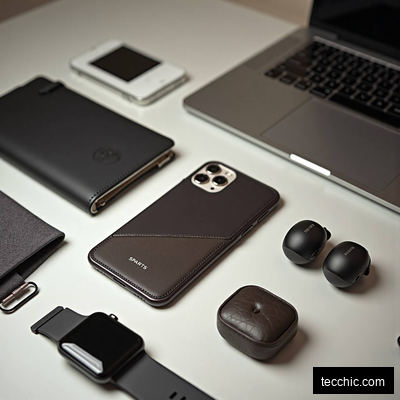
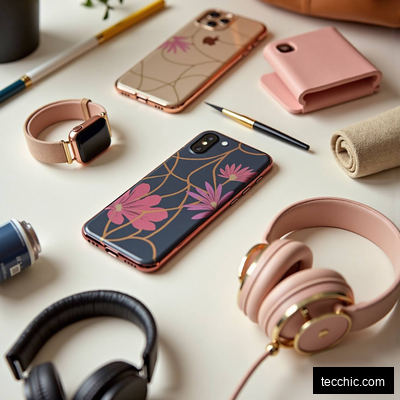
One of the simplest yet most effective ways to personalize your tech gear is through skinning and applying decals. Skins are thin, adhesive layers that can be customized with virtually any design, color, or texture, offering a unique look while also providing an extra layer of protection against scratches and dings. Companies like dbrand and Slickwraps have revolutionized the skin market, offering high-quality, precision-cut skins for a wide range of devices. Decals, on the other hand, are smaller stickers that can be used to add accent details or showcase your favorite characters, logos, and more.
Applying a skin or decal is relatively straightforward, but requires patience and precision. Start by thoroughly cleaning your device to remove any dust or oils. If you're applying a skin, carefully align it with your device, starting from one edge and gradually smoothing it out to avoid air bubbles. For decals, the process is similar, but you'll have more flexibility in placement. Both skins and decals can be removed or replaced, allowing for easy updates as your style changes.
The beauty of skinning and decals lies not only in the aesthetic enhancement but also in the practical benefits. Skins, in particular, can add grip to devices like smartphones and controllers, improving ergonomics and reducing the likelihood of accidental drops. Moreover, this customization option is budget-friendly, making it accessible to a wide audience eager to personalize their tech without breaking the bank.
Skinning and decals offer a myriad of possibilities for expressing your unique style on your tech gadgets. From sleek metallic finishes to vibrant patterns and intricate designs, these customization options allow you to make a statement with your devices. For instance, you can opt for a personalized skin featuring your favorite quote, a beloved character, or even a custom illustration that truly reflects your personality. By carefully selecting the right skin or decal, you can transform your device into a one-of-a-kind accessory that not only protects it but also showcases your individuality.
Custom Firmware and Software Modifications
For those looking to dive deeper into customization, modifying your device's firmware or software opens up a new realm of possibilities. Custom ROMs for Android devices, for instance, can completely overhaul the user interface, add new features, and improve performance. Similarly, jailbreaking an i OS device can unlock the ability to install apps and tweaks not available in the App Store, offering unparalleled customization options.
Before embarking on this journey, it's crucial to research and understand the risks involved, as modifying firmware can potentially void warranties or, in the worst-case scenario, brick your device. However, for the adventurous and tech-savvy, the rewards can be substantial. Communities like XDA Developers and Reddit's r/jailbreak are valuable resources for guidance, tutorials, and support from fellow customization enthusiasts.
Custom firmware and software modifications not only personalize the user experience but can also extend the life of your device. By optimizing performance and enabling features not available in stock configurations, you can breathe new life into older gadgets. It's a testament to the power of customization in enhancing not just the aesthetics of technology, but its functionality and longevity as well.
Taking the customization game to the next level, custom firmware and software modifications offer a myriad of possibilities for tech enthusiasts. Imagine tweaking your smartphone's operating system to enhance battery performance or personalize the user interface beyond manufacturer limitations. Moreover, custom firmware can breathe new life into older devices by unlocking advanced features or optimizing system resources. Whether it's installing a custom ROM for additional functionalities or tweaking kernel settings for improved performance, the world of firmware and software modifications is a playground for those who love to push the boundaries of technology.
3D Printing and Hardware Mods
The advent of 3D printing technology has opened up new frontiers in DIY tech customization, particularly in the realm of hardware modifications. With access to a 3D printer, enthusiasts can design and create custom cases, stands, and even functional components tailored exactly to their needs and specifications. Websites like Thingiverse offer a plethora of ready-made designs shared by the community, ranging from smartphone cases to laptop stands, providing a solid starting point for your projects.
For those with a knack for electronics, hardware mods can take personalization to the next level. Whether it's adding additional ports to your laptop, building a custom keyboard, or even constructing a DIY smart home device, the possibilities are virtually endless. These types of modifications require a higher level of technical skill and understanding of electronics, but the result is a truly one-of-a-kind piece of tech that's both functional and personalized.
The combination of 3D printing and hardware mods not only showcases the creativity and ingenuity of the tech community but also highlights the shift towards more sustainable and customizable technology. By designing and creating parts ourselves, we can reduce waste and extend the lifespan of our devices, contributing to a more environmentally friendly and personalized tech ecosystem.
One exciting aspect of 3D printing and hardware modifications is the ability to create custom-designed components that perfectly fit a specific tech setup. Enthusiasts can now craft unique cooling ducts for their gaming rigs or personalized keycaps for mechanical keyboards, optimizing performance and aesthetics simultaneously. This level of customization not only enhances the functionality of devices but also adds a touch of individuality to the user experience.
Moreover, the marriage of 3D printing and hardware mods has revolutionized the repair and upgrade process for tech aficionados. Instead of searching for rare or outdated parts, users can simply design and print their replacements, extending the lifespan of beloved gadgets. Imagine printing a new casing for a vintage game console or a custom bracket for mounting additional components in a PC - the possibilities are truly endless with this innovative fusion of technologies.
DIY Lighting and Aesthetics Mods
Lighting mods have become increasingly popular in the customization community, particularly among gamers and computer enthusiasts. Adding LED strips or replacing standard lights with RGB (Red, Green, Blue) lighting can dramatically change the look of your setup, creating an immersive and visually stunning environment. With products like the Philips Hue or Corsair's i CUE software, users can synchronize lighting across multiple devices, from keyboards and mice to PC cases, achieving a cohesive and dynamic aesthetic.
Beyond lighting, there are endless possibilities for aesthetic modifications. Painting your tech gear with special heat-resistant paint, for example, can give your devices a fresh and unique look. Alternatively, for those who prefer non-permanent solutions, using vinyl wrap offers a reversible way to add color and texture to your tech. These types of mods allow users to express their creativity and stand out in a sea of standard-issue gadgets.
While DIY lighting and aesthetics mods can be incredibly rewarding, it's important to proceed with caution. Always ensure that modifications do not interfere with the device's cooling or ventilation systems, as this can lead to overheating and potentially damage your tech. With careful planning and execution, however, lighting and aesthetics mods can elevate your tech gear to a work of art, reflecting your personal style and enhancing your digital experience.
When it comes to DIY lighting and aesthetics mods, one innovative trend gaining traction is the use of programmable LED strips. These versatile strips can be easily customized to fit any space, offering a dynamic range of colors and effects. Imagine transforming your gaming setup with a backlight that synchronizes with in-game actions or creating a mesmerizing ambient glow in your living room. Furthermore, integrating these LED strips with smart home systems allows for seamless control through voice commands or mobile apps, adding a touch of futuristic flair to your home decor.
Conclusion
The journey of personalizing your tech gear is a deeply rewarding process that combines creativity, technical skill, and a desire to stand out from the crowd. From simple skinning and decals to complex firmware modifications, 3D printing, and aesthetic enhancements, the possibilities are as vast as your imagination. The act of customization not only allows you to express your individuality but also maximizes the functionality and lifespan of your devices, making everyday interactions more enjoyable and personalized.
While the world of DIY tech customization can seem daunting at first, the resources and communities available today make it more accessible than ever. With patience, research, and a bit of creativity, transforming your tech gear into personalized masterpieces is within reach. Remember, the goal is not just to customize, but to personalize—ensuring that each modification reflects your unique style and meets your specific needs. Embrace the journey of DIY customization, and let your tech truly become a reflection of who you are.
As we draw this journey of personalizing your tech gear to a close, it's important to reflect on the transformative power of customizations. Beyond just aesthetics, the process of personalizing your devices fosters a sense of ownership and connection. For example, adding a unique skin to your laptop not only showcases your personality but also enhances your attachment to the device, making it feel truly yours. This emotional bond can lead to increased satisfaction and pride in your tech gear, elevating your overall user experience.